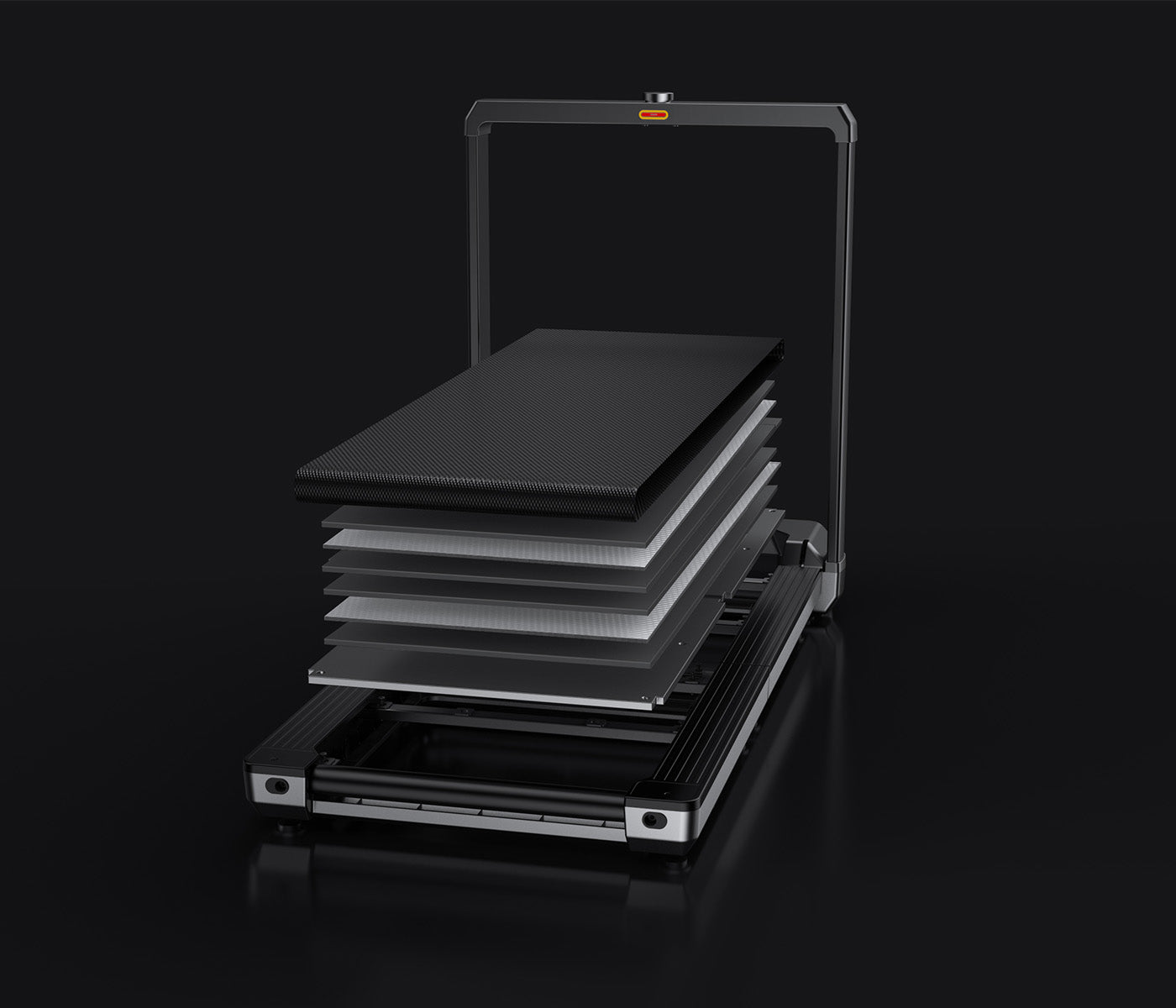
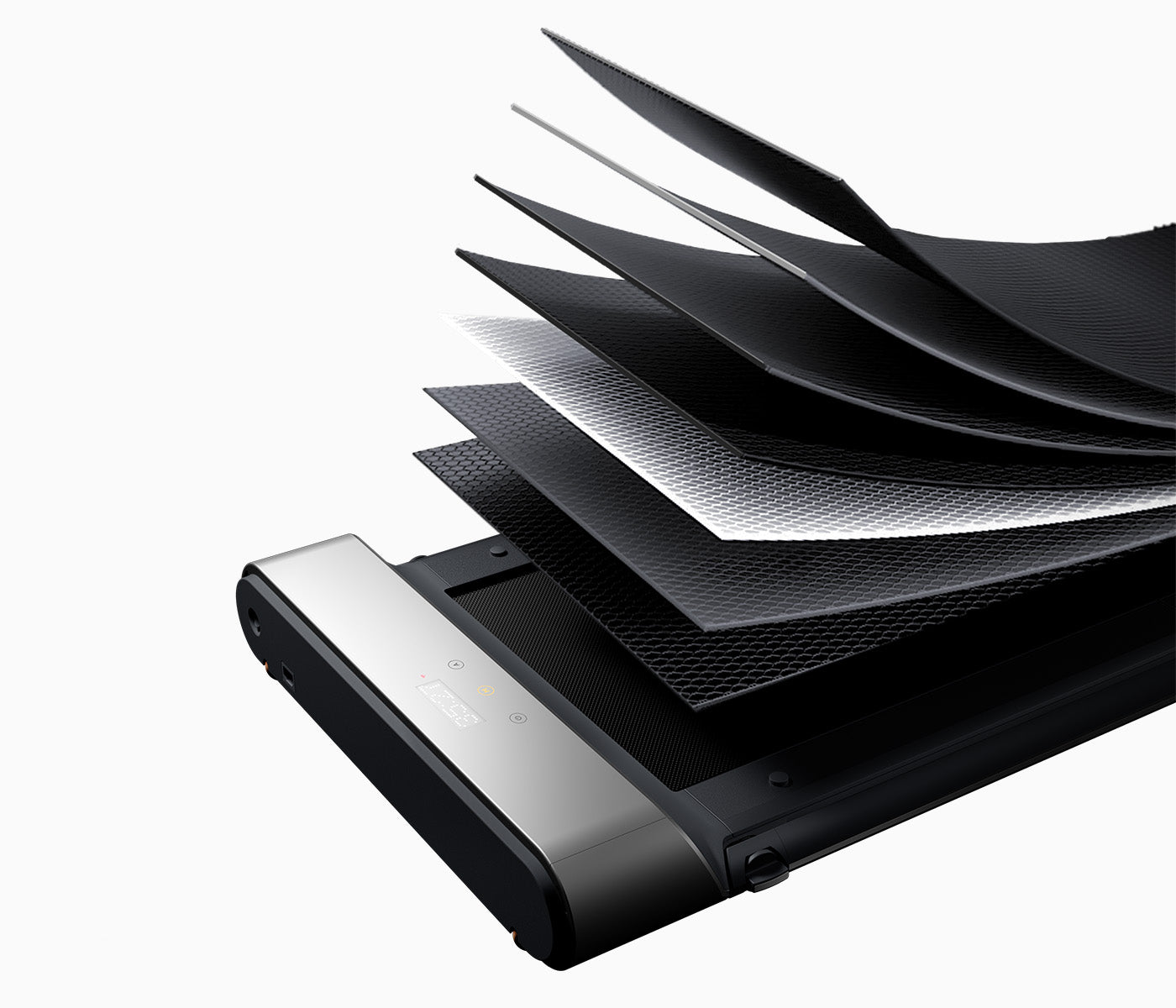
WalkingPad R1 Pro treadmill

Mid-range · supported in Paceora

WalkingPad R1 Pro

The R1 Pro is less clean than the A1 Pro for desk work, and that is the whole point. It trades some office purity for the ability to handle more than one kind of session.

This page includes affiliate links. If you buy through them, Paceora may earn a commission at no extra cost to you.

The R1 Pro is a good buy only if the hybrid story is real for you. If desk work is the main problem, there are cleaner answers.

Our take

Buy the R1 Pro when you want one foldable treadmill for work walking and occasional faster sessions. Skip it if you mainly want the cleanest desk-work experience.

The R1 Pro only makes sense when you actually want both halves of its identity. It is easier to justify than a full treadmill in a small home office, but it is still a compromise machine.

This is the model for buyers who want under-desk walking plus some light jog or run capability and are willing to accept a more fitness-oriented footprint in exchange.

Where it sits in the lineup

The R1 Pro sits between the desk-first walking pads and the heavier premium treadmills. It is the lineup's compromise machine, not its default office answer.

Desk-work fit

Short use

01

Short sessions

Fine for short work walks, but it is not the most natural fit. The R1 Pro wants to be used for longer mixed sessions — quick desk walks are better served by the A1 Pro's simpler setup.

Endurance

02

Long sessions

Decent for extended walks, though the hybrid design means it never feels as purely desk-optimized as the A1 Pro. Long walking sessions work, but you are always slightly aware that this is a machine built for more than walking.

Typing

03

Typing-heavy work

Workable but not ideal. The R1 Pro's deck is stable enough for typing, but the overall platform is heavier and more 'treadmill-like' than the walking-first models. Writers and developers are better served elsewhere.

Calls

04

Call-heavy work

More situational. The R1 Pro runs slightly louder than the A1 Pro at low speeds. Best used between calls rather than during them. Walk during admin work, sit for conversations.

Deep focus

05

Focus-heavy work

Possible but not the sweet spot. The R1 Pro's identity is flexibility, not invisible desk integration. Focus-heavy roles get better results from the A1 Pro.

Office

06

Shared or visible office

The R1 Pro looks and feels more like a treadmill than the walking-first models. In a polished office, it is harder to make it feel deliberate. In a home gym that doubles as an office, it fits naturally.

Setup and space

Foldable relative to full treadmills, but meaningfully larger and heavier than the A1 Pro or C2. Needs dedicated floor space or a committed storage spot. Not the right model if minimizing physical presence is the priority.

The handles change the desk relationship. In flat/walk mode, it works under a standing desk. With handles raised, it sits beside the desk instead. Make sure you know which mode you'll primarily use before buying.

Setup tips

  • Best in a home office that can tolerate a more treadmill-like footprint.
  • Works best for people who walk during work and occasionally want faster sessions later.
  • Not the best fit when the treadmill must disappear instantly or stay invisible in a polished office.

What the evidence shows

The repeated positives are flexibility and foldability relative to traditional treadmills. The repeated negatives are weight, control friction, and the fact that hybrid means compromise.

The R1 Pro is well-documented as a hybrid machine. The consistent pattern: flexibility is its strength, and compromise is its cost. Confident in the assessment that it works for genuine dual-use buyers but over-promises for desk-only ones.
Specs that matter in practice

Top speed
1-6.2 mph / 1-10 kph
Weight capacity
243 lb / 110 kg
Foldability
180-degree fold with upright storage
Motor
1.25 HP brushless motor
Size and deck
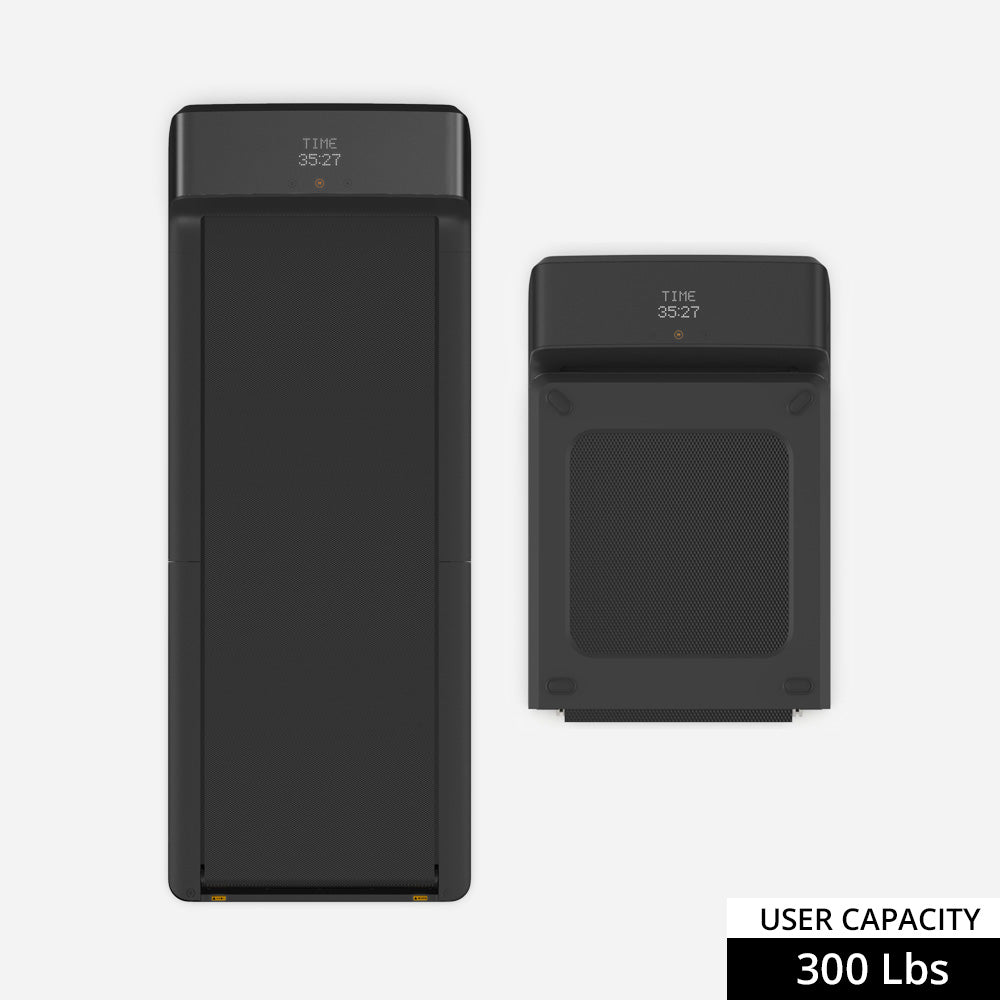
Folded 39 x 28 x 6 in; unfolded 57 x 28 x 35 in; running area 47.2 x 17.3 in
Storage style
Fold-flat deck with handrail that allows upright storage

What works well

  • Most flexible model in the mid-range set
  • Useful when one household machine has to cover more than one kind of use
  • Paceora still helps it spend more time in work mode

Where it falls short

  • Less desk-pure than the A1 Pro
  • Heavier and more fiddly than the compact pads
  • The walk-run compromise introduces more objections around setup and control

How it compares

Against the A1 Pro: you gain run capability but lose desk purity. Against the X21: very different trade-offs — the R1 Pro is about flexibility, the X21 is about premium office presence. Against the X25: similar hybrid logic but the X25 is bigger and more capable. Most shoppers should honestly ask whether they'll actually use the run mode before choosing the R1 Pro over the A1 Pro.

Alternatives

WalkingPad A1 Pro treadmill

WalkingPad A1 Pro

If you want one sensible desk-first recommendation, start here. The A1 Pro is not the flashiest model, but it is often the hardest one to regret.

WalkingPad X21 treadmill

WalkingPad X21

The X21 is worth it when premium office fit is the actual buying reason. If it is not, the A1 Pro usually covers the workday problem for less.

WalkingPad X25 treadmill

WalkingPad X25

The X25 is a smart buy for larger offices, heavier users, and mixed-use buyers. It is not the default recommendation for normal desk work.

Using with Paceora

Moderate. Paceora helps the R1 Pro behave more like a desk machine during work hours, which is genuinely useful. But the hardware compromise remains — Paceora improves the software layer, not the physical identity of the treadmill.

  • Paceora matters most when the R1 Pro is being used for work rather than as a generic treadmill.
  • The Mac workflow helps reduce start-stop friction on a model that is already balancing two identities.
  • The software benefit is real, but the hardware compromise still needs to make sense first.

Best for these work styles

Buyer guides

FAQ

Questions people usually have

Should desk workers buy the WalkingPad R1 Pro?

Only if they genuinely value the walk-run flexibility. For pure desk walking, the A1 Pro is usually the cleaner answer.

What makes the R1 Pro different from the desk-first models?

It is a hybrid machine. That makes it more flexible after work, but also less clean and less office-pure during work.

Does Paceora still help on the R1 Pro?

Yes, especially for work-mode sessions. It reduces the friction of using the R1 Pro as a desk treadmill even though the hardware itself is still a compromise machine.

Buy the R1 Pro only if you want both sides of it

The R1 Pro earns its price when you genuinely want one foldable machine for work walks and occasional faster sessions.